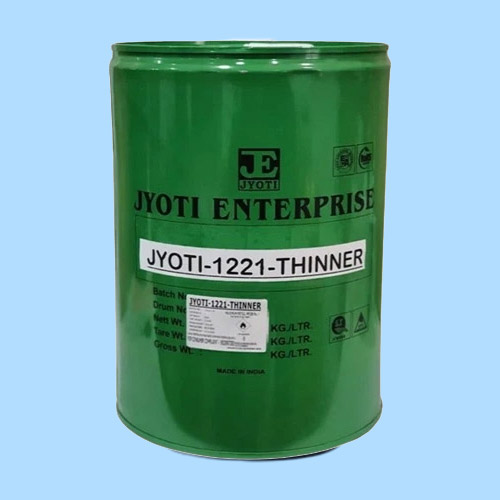
NC Thinner Manufacturer
Nitrocellulose lacquers are unforgiving about the solvent system used to reduce them — get it wrong, and the film blushes, pinholes, or dries with an uneven, orange-peel texture that no amount of polishing fixes afterward. Our NC Thinner is a premium-grade blend of esters, glycols, aromatic solvents, and ketones, formulated specifically as a diluent for nitro-based products, giving NC lacquers a clean path to a smooth, glossy cure.
This isn't a generic solvent repurposed for NC use — it's built to actively support the finish, controlling how the lacquer flows out and dries under real-world humidity and application conditions.
Special Key Features
What sets a good insulating varnish apart isn't just that it dries it’s how the cured film behaves afterward. Our air drying formulations offer:
Ester, glycol, aromatic solvent, and ketone-based
Ester, glycol, aromatic solvent, and ketone-based formulation
Suitable diluent for wood and automotive
Suitable diluent for wood and automotive NC topcoats, both clear and pigmented
Acts as an anti-blushing agent
Acts as an anti-blushing agent in high-humidity conditions
Quickly reduces lacquer and color consistency
Quickly reduces lacquer and color consistency to the required working degree
Improves film smoothness when applied
Improves film smoothness when applied by spray or dipping
Prevents blushing, resin blush, pinholing,
Prevents blushing, resin blush, pinholing, and other surface defects
Application Method
NC Thinner is added to the lacquer or color to bring it down to the desired working consistency before spray or dip application. For NC basecoat systems specifically, up to 200% thinner can be added for ease of application, though over-thinning isn't advisable for any coating system regardless of the specific product involved.
Basic handling precautions apply given the solvent content: skin contact should be washed thoroughly with soap and water (not with solvent or thinner), inhalation exposure should be addressed by moving to fresh air and loosening tight clothing, and accidental ingestion should not be treated by inducing vomiting — immediate medical attention should be sought instead.
Specifications
Formulated as a premium blend of esters, glycol, aromatic solvents, and ketones, suitable for nitrocellulose-based lacquers and topcoats. Mixing ratios vary by product, with up to 200% addition acceptable for NC basecoat systems specifically.
| Thermal Class | Class B (130°C), F-Class & H-Class Available |
|---|---|
| Resin Foundation | Phenolic Resin-Based Formulations |
| Curing Mechanism | Room Temperature Air Drying (Heat Optional) |
| Operating Climate | Typically 0°C to 55°C Ambient Range |
| Available Shades | Clear, Golden, Amber Shades |
Uses & Applications
This varnish range is used extensively as a finishing, impregnating, and protective coating across a wide set of electrical applications, including:
Wood and automotive NC topcoats, both
Wood and automotive NC topcoats, both clear and pigmented
Auto finish colors, oil paint colors,
Auto finish colors, oil paint colors, and synthetic colors
Melamine wood finishes
Melamine wood finishes
NC basecoat systems requiring higher dilution
NC basecoat systems requiring higher dilution ratios
General protective coating for industrial equipment
General protective coating for industrial equipment
Across all these applications, the core job stays the same — shielding sensitive electrical parts from moisture, chemical exposure, and the general wear of daily operating conditions.
Why Choose Us
Getting an NC lacquer to dry clean and glossy in humid Gujarat conditions takes more than just any thinner off the shelf — it takes a solvent blend engineered specifically to resist blushing and pinholing as it evaporates. Our NC Thinner is formulated with exactly that in mind, giving finishers consistent, defect-free results across wood and automotive lacquer applications.
That reliability, paired with clear handling guidance, is why this thinner continues to be specified for NC finishing work across furniture and automotive refinishing industries.
Trusted by Leading Names
Proven across critical applications in power, railways, defense and manufacturing: